

Call for Projects
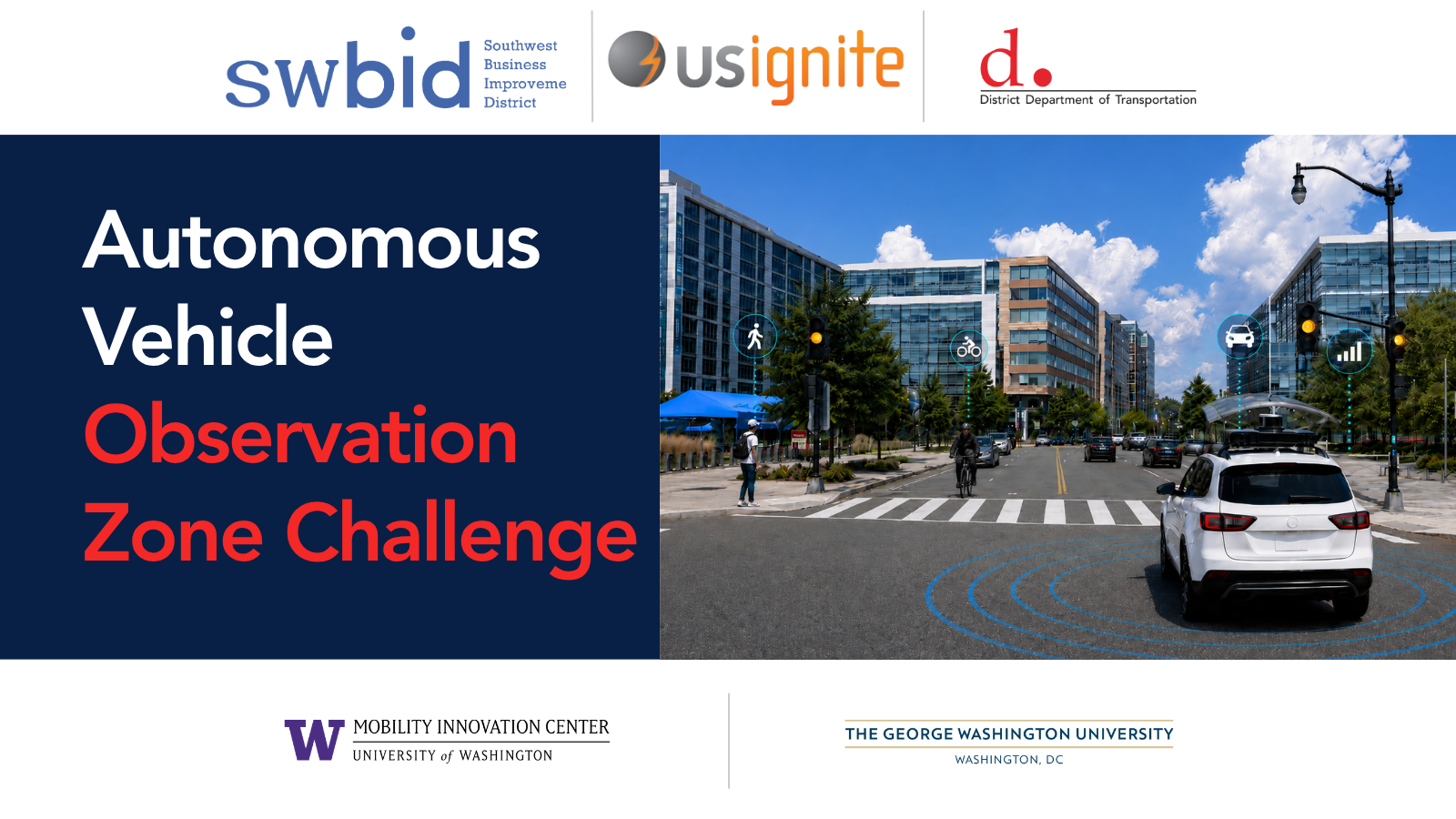
AV Observation Zone Challenge
The District Department of Transportation (DDOT), Southwest Business Improvement District (SWBID), and US Ignite have partnered to launch the Autonomous Vehicle Observation (AVO) Zone Challenge. The challenge provides an innovative way for DC to better understand how AVs operate and in dense, urban environments.
The AVO Zone Challenge seeks an innovative sensing solution capable of detecting and identifying autonomous vehicles (AVs) operating in the District and providing data that supports the observation and analysis of AV fleet operations. The challenge winner will be eligible for a contract award of $50,000 to pilot its technology in DC. Applications are due by July 16, 2026.
Previous Call For Projects
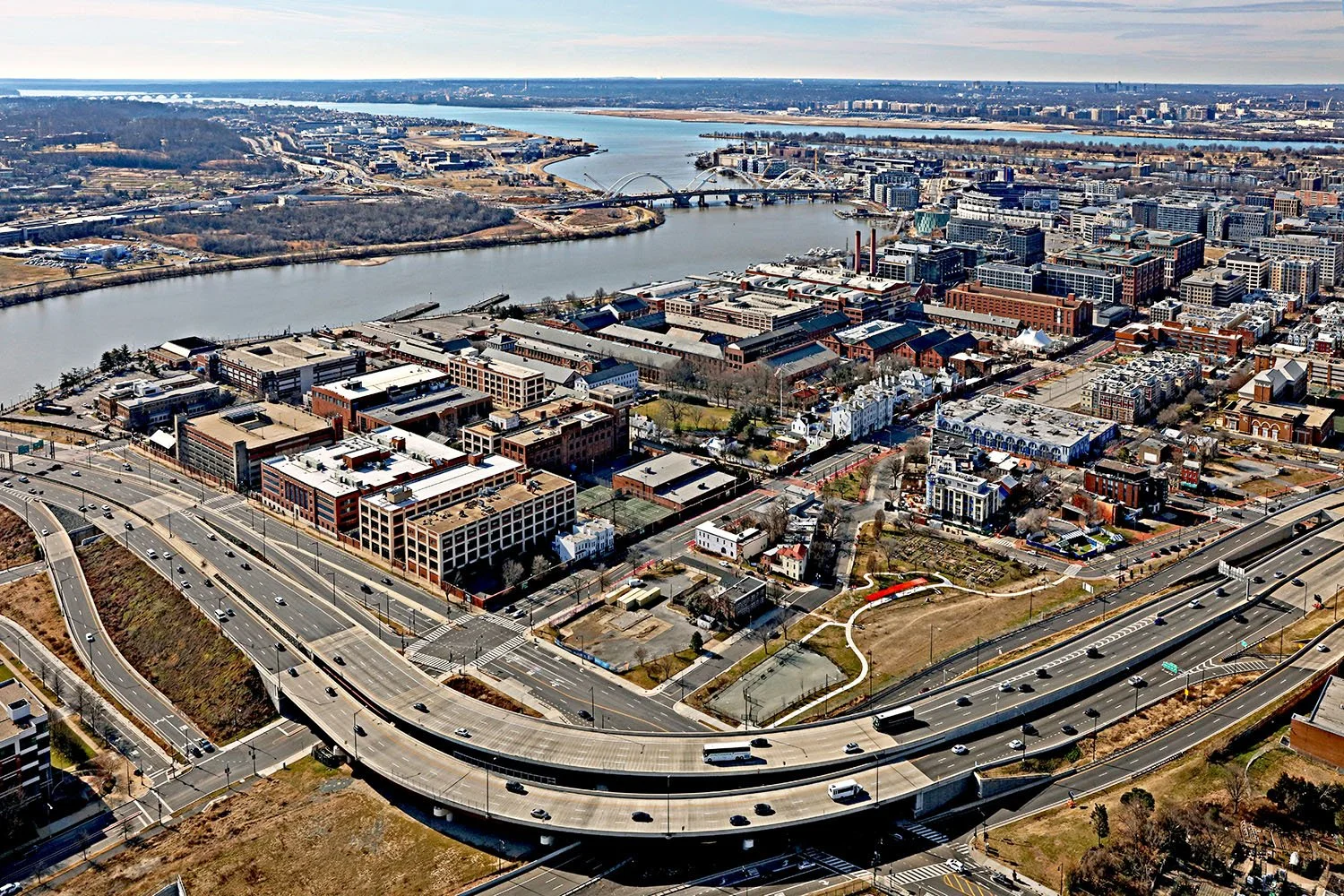
M Street Road Safety Technology Reverse Pitch & Pilot
The M Street Road Safety Technology Reverse Pitch and Pilot is a Washington, DC initiative led by ITS America in partnership with local agencies to explore how emerging technologies can improve safety along a busy, multimodal corridor in the Navy Yard area. The project uses a “reverse pitch” model, in which public agencies define key safety challenges and invite private-sector companies to propose targeted solutions. These solutions are expected to include low-cost digital infrastructure and smart technologies designed to reduce crashes, improve traffic compliance, and enhance overall safety. Ultimately, the pilot aims to demonstrate how innovative, scalable tools can support Washington, DC’s Vision Zero goals and create safer streets for all users. Application window closed April 17, 2026.
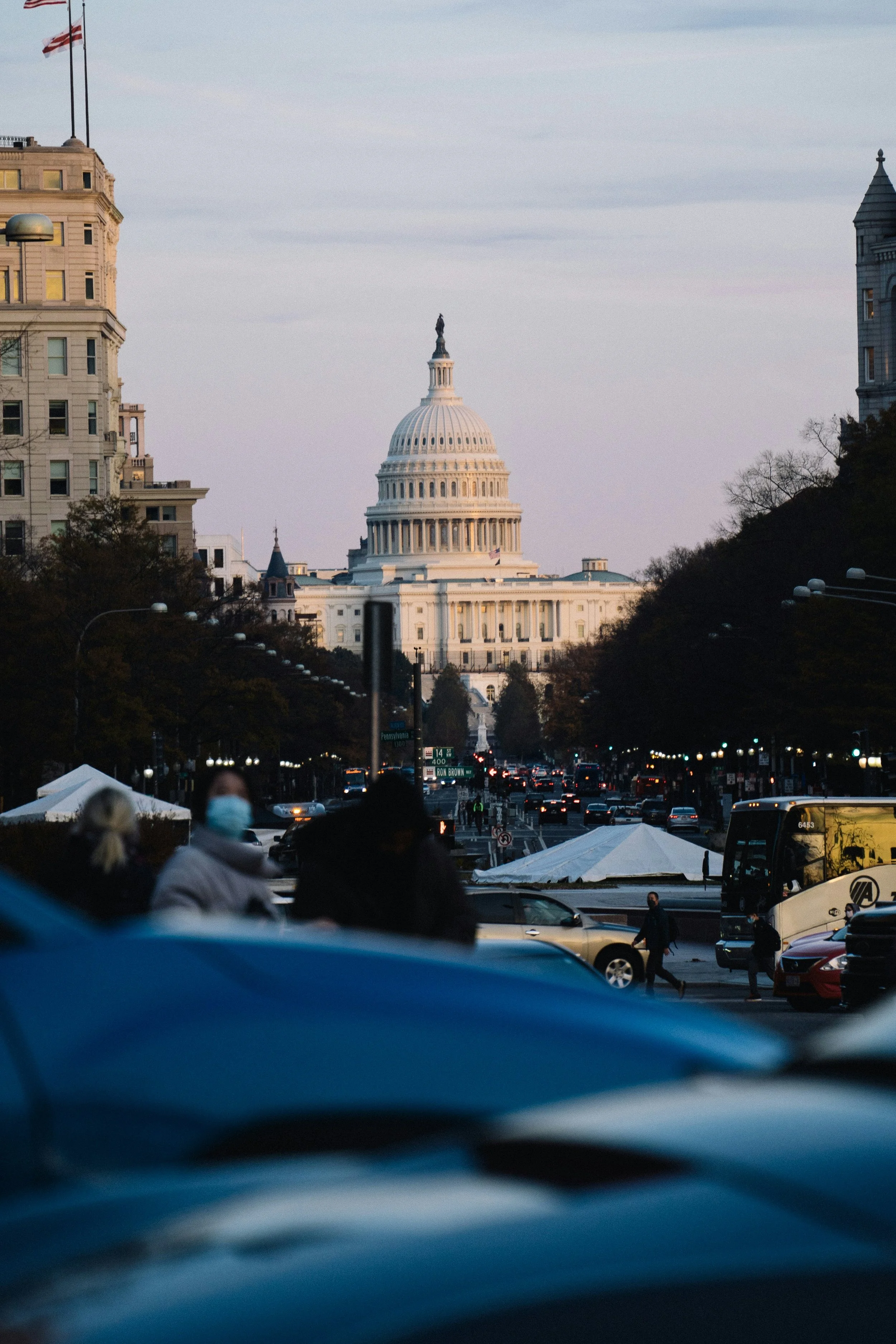
RFI: DC MID - General Call for Projects
The DC MID sought innovative solutions and support from private-sector partners to address key mobility challenges in DC. Through this Request for Information (RFI), the DC MID aimed to identify viable solutions and non-financial support needed to demonstrate cutting-edge transportation technologies, business models, and infrastructure improvements. Focus areas included first/last-mile transportation, e-mobility charging, safe streets, event congestion, and curb management.

Electrification
The electrification of the transportation sector was rapidly accelerating, driven by growing consumer demand, increasing affordability, and government incentives aimed at encouraging the industry and consumers to address the climate crisis. Despite rising investments, access to charging infrastructure remained a significant barrier for many people considering the purchase of an electric vehicle, especially in dense environments such as SWDC, where at-home charging was simply not an option for many residents.

Universal Basic Mobility Wallet
One of the core challenges in advancing Universal Basic Mobility (UBM) was developing an integrated financial platform that could connect multiple funding sources and facilitate payments to a range of vendors. Ideally, such a platform would not only have supported UBM benefits but also enabled employers, developers, and individuals to load, store, and replenish value for use across various transportation services—while also facilitating trip discovery and planning. In recognition that transportation mobility was foundational to economic mobility, the MID prepared to launch a 12-month UBM demonstration project that would provide residents with a direct transportation subsidy. To support this initiative, the MID issued a new Call for Projects to identify a partner capable of disbursing these funds through a flexible, user-centered platform.

On-Demand Mobility Service and Supporting Technology
The goal of the Call for Projects was to seek innovative solutions that could improve the mobility ecosystem in the District of Columbia. Where the DCMID felt that proposed solutions fit the established needs, it contacted vendors to formally discuss potential projects and negotiate contractual agreements. This Call for Projects was not a formal solicitation, and the DCMID was under no obligation to select any of the vendors who responded to the request.